




If you were riding in a Waymo autonomous vehicle in Austin when it crashed, you are likely dealing with a frustrating mix of physical pain, financial stress, and immense legal confusion. Technology companies promote self-driving cars as the flawless future of modern transportation. But when advanced sensors miscalculate, software glitches, or a driverless vehicle fails to react to erratic traffic on Interstate 35 or the crowded corridors of South Congress, real people pay the price.
The short answer is yes, you can sue Waymo if you were a passenger injured in a crash. However, bringing a personal injury lawsuit against a multi-billion-dollar technology company backed by Google’s parent company, Alphabet, is vastly different from a standard Central Texas car wreck claim. When humans crash, we look at driver error; when a self-driving car crashes, we enter the complex world of product liability, software design defects, and corporate negligence.
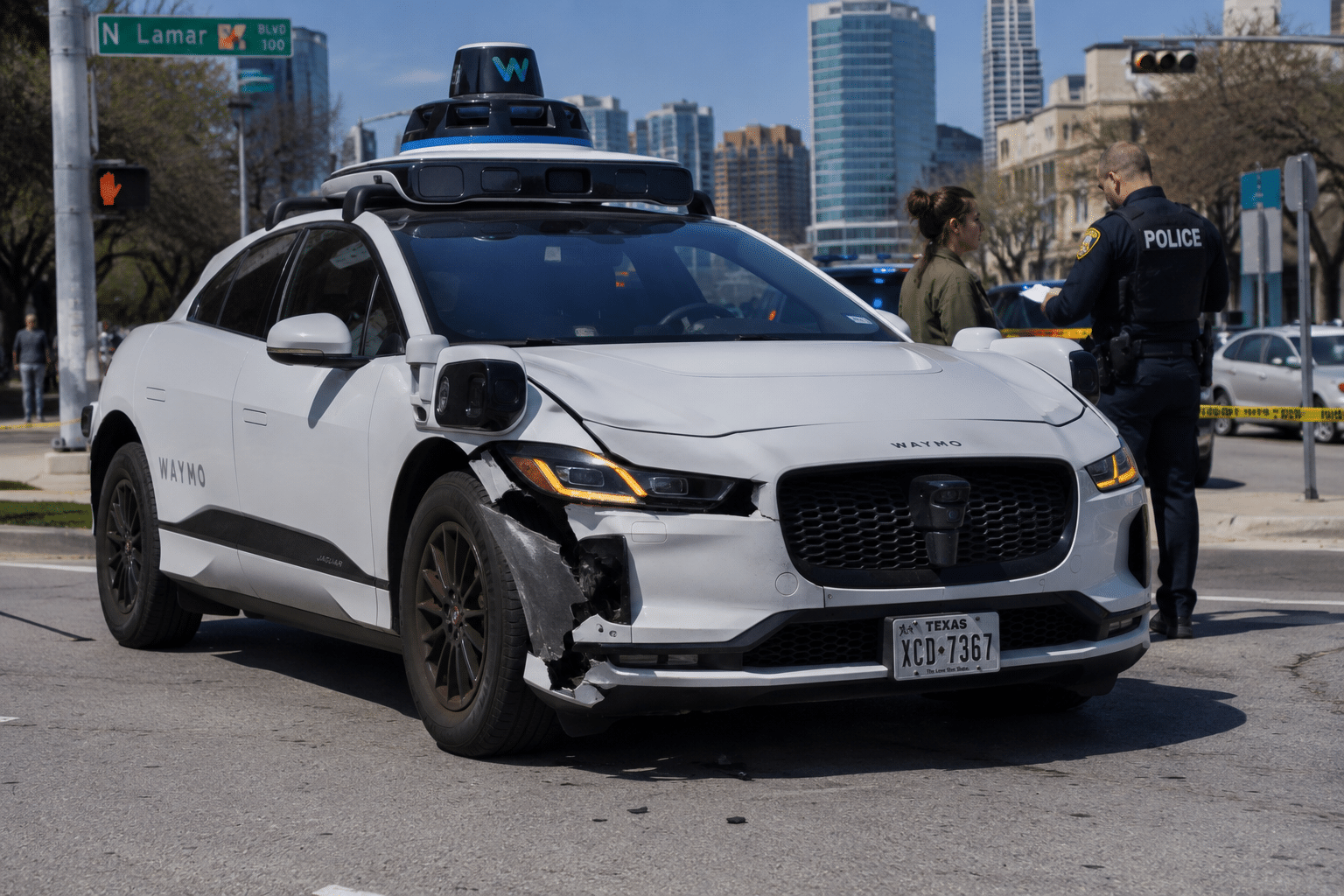
The Legal Reality of a Waymo Crash in Texas
In a traditional car accident, Texas law requires you to prove that another human driver was negligent—perhaps they were texting, speeding, or ran a red light. When you are a passenger in a driverless vehicle, you have zero control over the ride, meaning you are entirely at the mercy of the vehicle’s internal technology. If the vehicle crashes, the legal path to compensation typically shifts from standard driver negligence to product liability.
Under Texas product liability laws, a manufacturer, developer, or operator can be held strictly liable if a product is defective. In an autonomous vehicle case, this generally falls into three categories:
- Design Defects: The software, artificial intelligence algorithms, LIDAR, or cameras were fundamentally incapable of navigating real-world road conditions safely.
- Manufacturing Defects: A physical component of the autonomous vehicle, such as the braking system, sensors, or steering assembly, was built incorrectly or failed during operation.
- Marketing Defects (Failure to Warn): The company failed to provide adequate warnings or instructions regarding the vehicle’s operational limitations or safety risks.
Because Waymo operates as a commercial transport service throughout Travis County, they are also considered a common carrier under Texas law. Common carriers owe their passengers a higher duty of care than ordinary drivers. This rigorous legal standard means they must exercise the highest degree of care, vigilance, and foresight to ensure their passengers’ safety, leaving very little room for corporate excuses when an autonomous vehicle fails to protect you.
Texas Statute of Limitations Warning: Under Texas Civil Practice and Remedies Code Section 16.003, you generally have exactly two (2) years from the date of the accident to file a personal injury lawsuit. If you miss this strict deadline, you lose your right to seek compensation forever.
Who is At Fault in an Austin Driverless Car Wreck?
Determining liability in an autonomous vehicle wreck requires an exhaustive, highly technical investigation. Depending on how the collision occurred, there may be multiple corporate and individual defendants responsible for your medical bills and lost work:
1. Waymo and Alphabet Inc.
If the self-driving system made a critical error—such as failing to detect a pedestrian, misinterpreting a construction barrier, or locking up the brakes for no apparent reason—the liability falls squarely on Waymo. They designed, programmed, tested, and deployed the vehicle onto public Austin streets, and they must be held accountable for its failures.
2. A Negligent Human Driver
Not every crash involving a Waymo is the robot’s fault. If a human driver ran a red light at an Austin intersection and T-boned your Waymo, that human driver is liable for your injuries. In many cases, an experienced attorney may pursue both the negligent human driver and Waymo if the autonomous vehicle had ample time to take evasive action but failed to do so because of a software delay.
3. Third-Party Component Manufacturers
Waymo vehicles are packed with hardware from third-party suppliers, including specialized cameras, radar units, and computer processors. If a physical part failed due to a manufacturing defect, the company that built that specific component could be held legally responsible alongside Waymo.
What Damages Can an Injured Passenger Recover?
A serious crash can turn your life upside down in an instant, leading to piling medical bills and a complete loss of income. In Texas, an injured passenger can pursue compensation for both economic and non-economic damages, including:
- Medical Expenses: Coverage for emergency room visits, surgeries, hospital stays, physical therapy, and any necessary future medical care or specialized neurological treatment.
- Lost Wages: Compensation for the income you lost while recovering, as well as diminished earning capacity if your injuries cause long-term disability.
- Pain and Suffering: Compensation for the physical pain, mental anguish, and emotional trauma caused by the crash.
- Impairment and Disfigurement: Damages specifically addressing permanent scarring, loss of limb function, or other life-altering physical changes.
For detailed information on how traffic collisions are documented, tracked, and analyzed across the state, you can review the official resources provided by the Texas Department of Transportation crash data portal.
How Big Tech Fights Back Against Accident Victims
If you think Waymo will simply write a check to cover your medical bills, you are up against a harsh reality. Tech giants and their massive insurance networks approach claims with aggressive, highly defensive legal teams. They routinely attempt to shield themselves using several corporate tactics:
- Forcing Arbitration: They may argue you signed a digital terms-of-service agreement when downloading the app that limits your right to sue, attempting to force your case into private, corporate-friendly arbitration rather than a public courtroom.
- Hiding the Telemetry Data: Autonomous vehicles record massive amounts of video, sensor, and vehicle data. This data proves exactly what the vehicle saw and did leading up to the crash. Waymo treats this data as highly guarded proprietary information. Without a skilled lawyer to file immediate temporary restraining orders to preserve this evidence, vital data can easily be overwritten.
- Shifting Blame: Even when their vehicle’s delayed reaction or software latency contributed to the crash, Waymo’s lawyers will try to shift 100% of the blame onto human drivers involved in the wreck to escape paying their fair share.
Why You Need a Tenacious Austin Trial Lawyer
Taking on a multi-billion-dollar autonomous vehicle company requires a law firm that does not back down when the opponent is a massive corporation. Since 2003, Joe Lopez has dedicated his career exclusively to representing injured plaintiffs—never corporate defendants or insurance companies. Having recovered over $100 million for injured clients across Texas, Joe Lopez Law deliberately limits its caseload so that every single client receives direct attorney access, honest communication, and undivided focus—the exact opposite of a high-volume personal injury mill.
Insurance companies know which lawyers will actually go to trial. Joe Lopez’s track record—including securing an appellate victory against Exxon Mobil Corporation early in his career and achieving a lifetime membership in the Multi-Million Dollar Advocates Forum—makes it clear he is ready to go the distance. From our office in the historic William T. Caswell house in downtown Austin, we prepare every case for trial from day one, connecting clients with a specialist medical network of leading orthopedic and neurology experts to support their physical recovery alongside their legal case.
Our firm covers all up-front expenses of your case, meaning you pay zero upfront costs and absolutely nothing unless we win. If you or a loved one was injured while riding in a driverless vehicle, contact an experienced Austin Waymo Accident Lawyer at Joe Lopez Law today at (512) 580-9962 for a free, confidential consultation. ¡El Joe Me Ayudó! Let us stand up to big tech while you focus on healing.
This article is intended for general informational purposes only and does not constitute legal advice. No attorney-client relationship is formed by reading this content. For advice specific to your situation, please consult a licensed attorney in Texas.