


Austin Waymo Accident Lawyer
Experienced Waymo Accident Attorneys Serving in Austin, TX
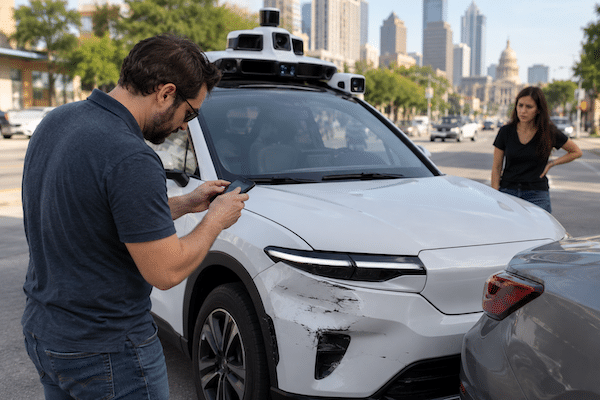
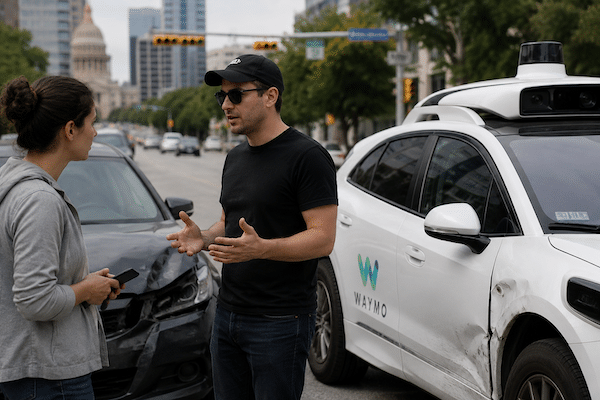
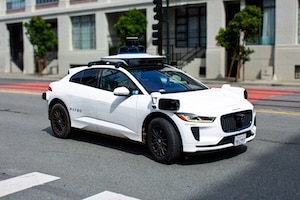 Waymo’s driverless robotaxis are now a fixture on Austin’s streets. Most days, they operate without incident. But crashes happen—and when they do, the question of who’s responsible is far more complicated than in any ordinary car accident. There is no driver to call. There is no insurance card to exchange. What you’re dealing with is a powerful tech company backed by one of the world’s most valuable corporations, and their legal team will get to work the moment a claim surfaces.
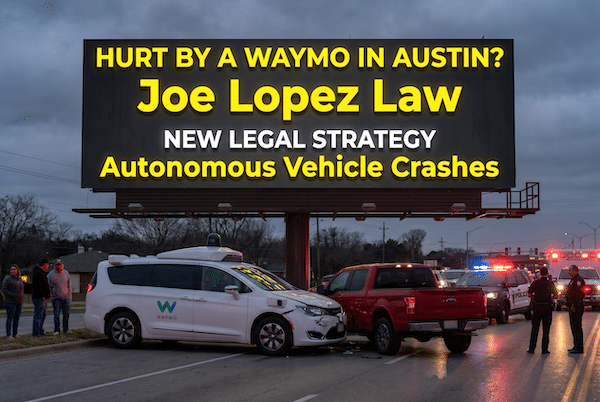
Joe Lopez Law has been fighting for Austin car accident victims for over 25 years. That experience matters here. Waymo cases involve layers of liability—algorithmic failures, product defects, fleet oversight gaps—that require an attorney who knows how to investigate aggressively, preserve evidence fast, and go up against well-funded corporate defendants. If you’ve been hurt in a Waymo accident in Austin, don’t wait to find out what your case is worth.
Key Takeaways
- Waymo operates a growing fleet of driverless Jaguar I-PACE vehicles across 90 square miles of Austin through the Uber app, and accidents involving these vehicles raise unique liability questions under Texas law.
- Because there is no human driver, liability may fall on Waymo as the fleet operator, the vehicle’s manufacturer, software developers, or another driver—sometimes a combination.
- Critical evidence from Waymo’s onboard systems, including sensor logs, LiDAR data, and camera footage, can be overwritten quickly; a preservation demand must go out immediately.
- Texas’s two-year statute of limitations applies, but the practical window to build a strong case is much shorter.
- Joe Lopez Law represents passengers, pedestrians, cyclists, and drivers injured in Waymo-related crashes in Austin—with no fees unless we win.
Waymo in Austin: What You Need to Know
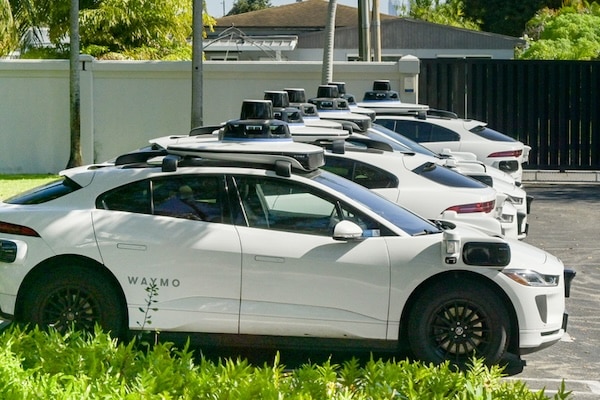
Waymo launched public robotaxi service in Austin on March 4, 2025, timed for SXSW and operated exclusively through the Uber app. The initial service area covered 37 square miles, including downtown Austin, Hyde Park, East Austin, Riverside, and South Lamar. By July 2025, Waymo had expanded to 90 square miles—adding neighborhoods like The Domain, Crestview, Windsor Park, and Barton Hills—and continued growing. The fleet operating in Austin consists of more than 100 autonomous Jaguar I-PACE vehicles with no driver behind the wheel.
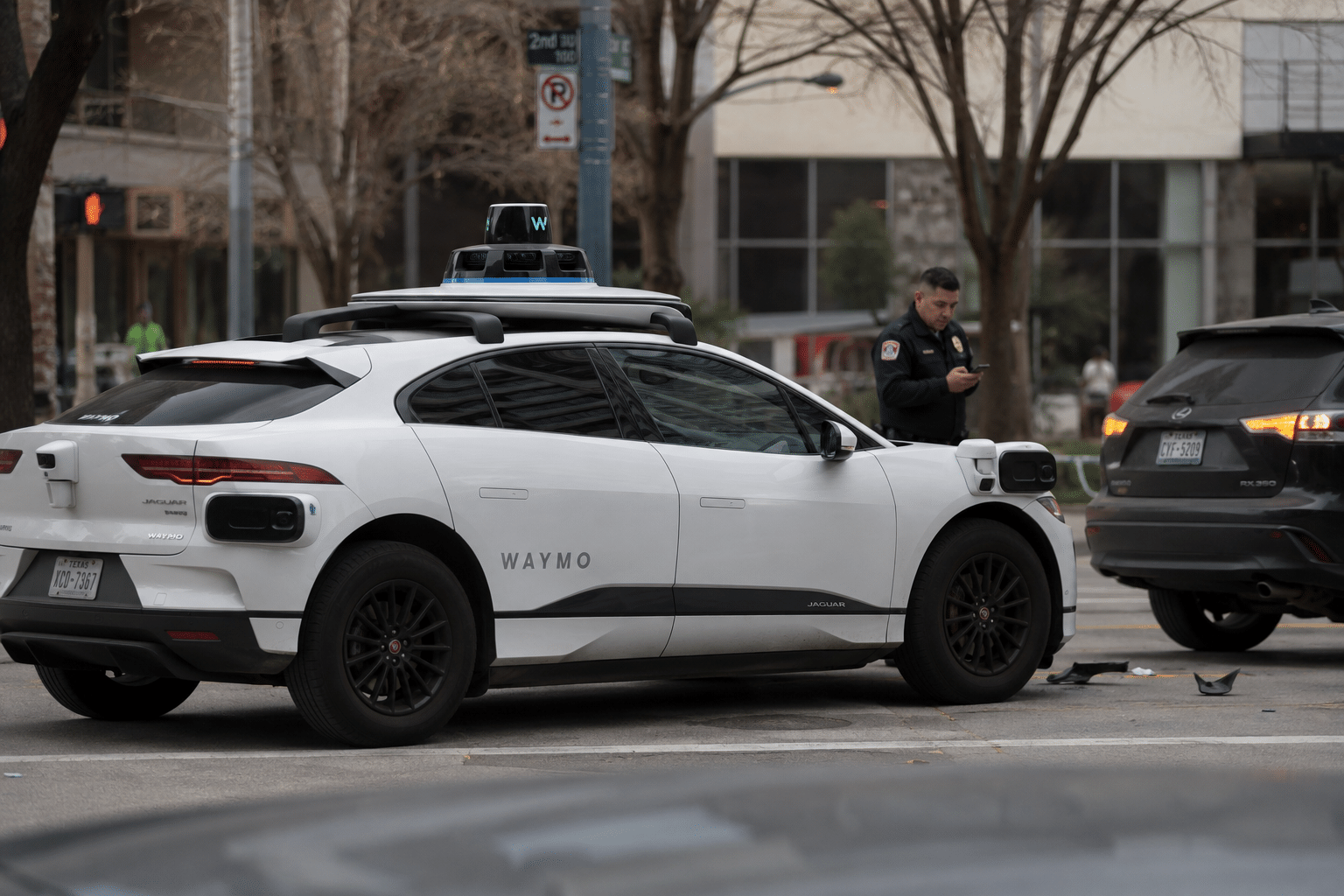
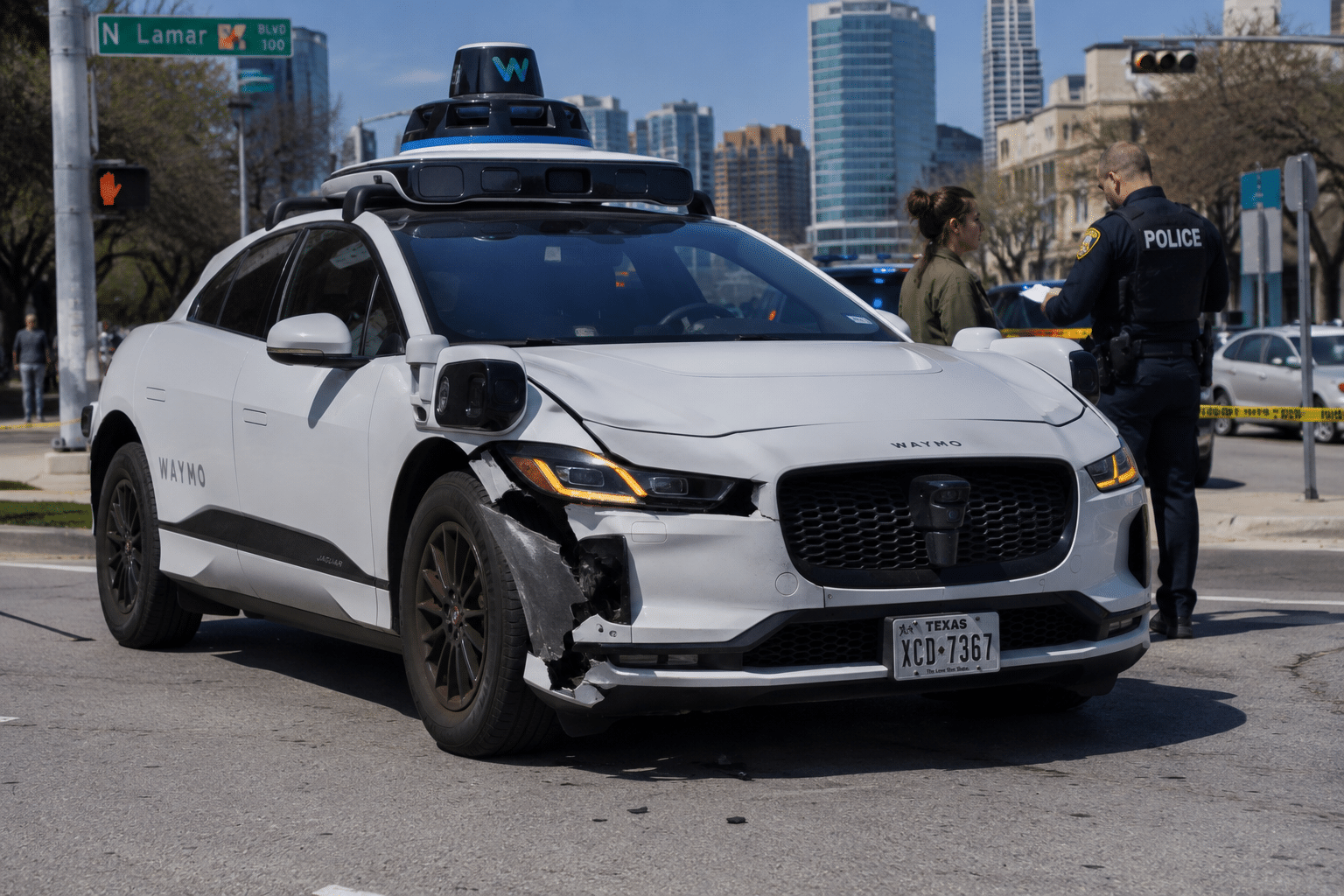
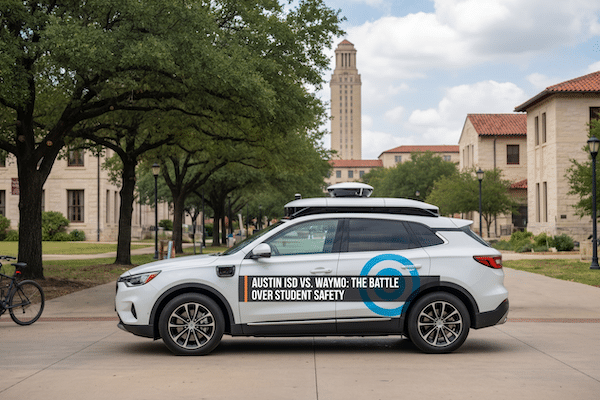
That expansion has come with problems. Waymo vehicles have blocked ambulances at active emergency scenes in Austin, including a particularly alarming incident during the West 6th Street shooting in March 2026 where a Waymo was stopped sideways across both lanes of Nueces Street as an ambulance approached with lights flashing. Austin Fire Department officials reported that as many as five Waymo vehicles obstructed a response corridor during one emergency call. In October 2025, a Waymo drove over an active fire hose at a separate fire scene. A December 2025 recall covering 3,131 vehicles failed to stop the violations. In April 2026, a Waymo drove the wrong way through a school zone at Cambridge Elementary during morning drop-off.
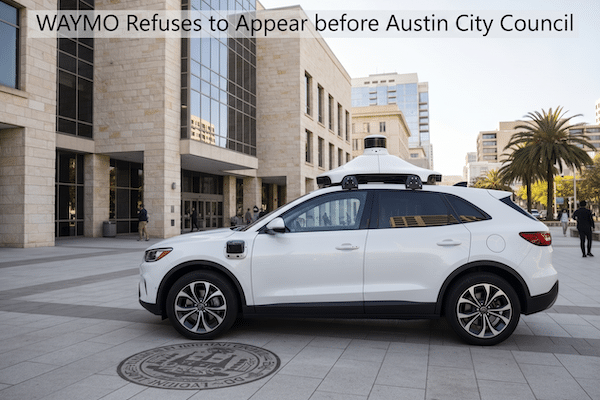
Five Austin City Council members formally invited Waymo to discuss these issues before the Public Safety and Mobility Committees. Waymo declined.
This is the company you’re dealing with if you’ve been hurt.
Who Can Be Held Liable in a Waymo Accident?
Determining fault in a Waymo crash is not a simple exercise. Multiple parties may share responsibility, and identifying the right defendants from the start shapes the entire case.
Waymo as Fleet Operator
Waymo owns the vehicles, developed the software, and deployed the fleet on Austin roads. As the operator, Waymo owes a duty of care to passengers, pedestrians, other drivers, and cyclists. If the autonomous driving system made a decision a reasonable human driver would not have made—failing to yield, entering an intersection at the wrong time, blocking emergency vehicles—that breach of duty can support a negligence claim directly against Waymo.
Product Liability: Defective Technology
Beyond negligence, Waymo’s autonomous system is a product. Under the Texas Products Liability Act (Chapter 82 of the Texas Civil Practice and Remedies Code), a manufacturer can be held liable for defects even without proving negligence. If a sensor malfunctioned, if the software was flawed in its design, or if the mapping system failed to account for a known road condition, those failures may give rise to a strict product liability claim. These cases often involve the vehicle’s manufacturer, software vendors, and sensor component makers—not just Waymo.
Other Drivers
Not every Waymo-related crash is the robotaxi’s fault. If another driver ran a red light and struck a Waymo you were riding in, that driver’s negligence becomes the central issue. Your Uber trip record, the Waymo’s onboard footage, and witness accounts all help establish what actually happened. Texas’s proportionate responsibility rules mean fault gets allocated across all responsible parties—and you can still recover as long as you’re not found more than 50% at fault.
Remote Operations Personnel
Waymo vehicles can receive remote guidance in certain situations. If a human operator made a poor decision that contributed to the crash, that can create an additional avenue of liability separate from the vehicle’s autonomous systems.
What Makes These Cases Different from Ordinary Car Accidents
In a standard Texas crash, you go after the at-fault driver’s insurance. Waymo crashes don’t work that way. There is no driver. There is no personal auto policy. What you’re dealing with is:
- A corporate defendant backed by Alphabet, one of the world’s most valuable companies
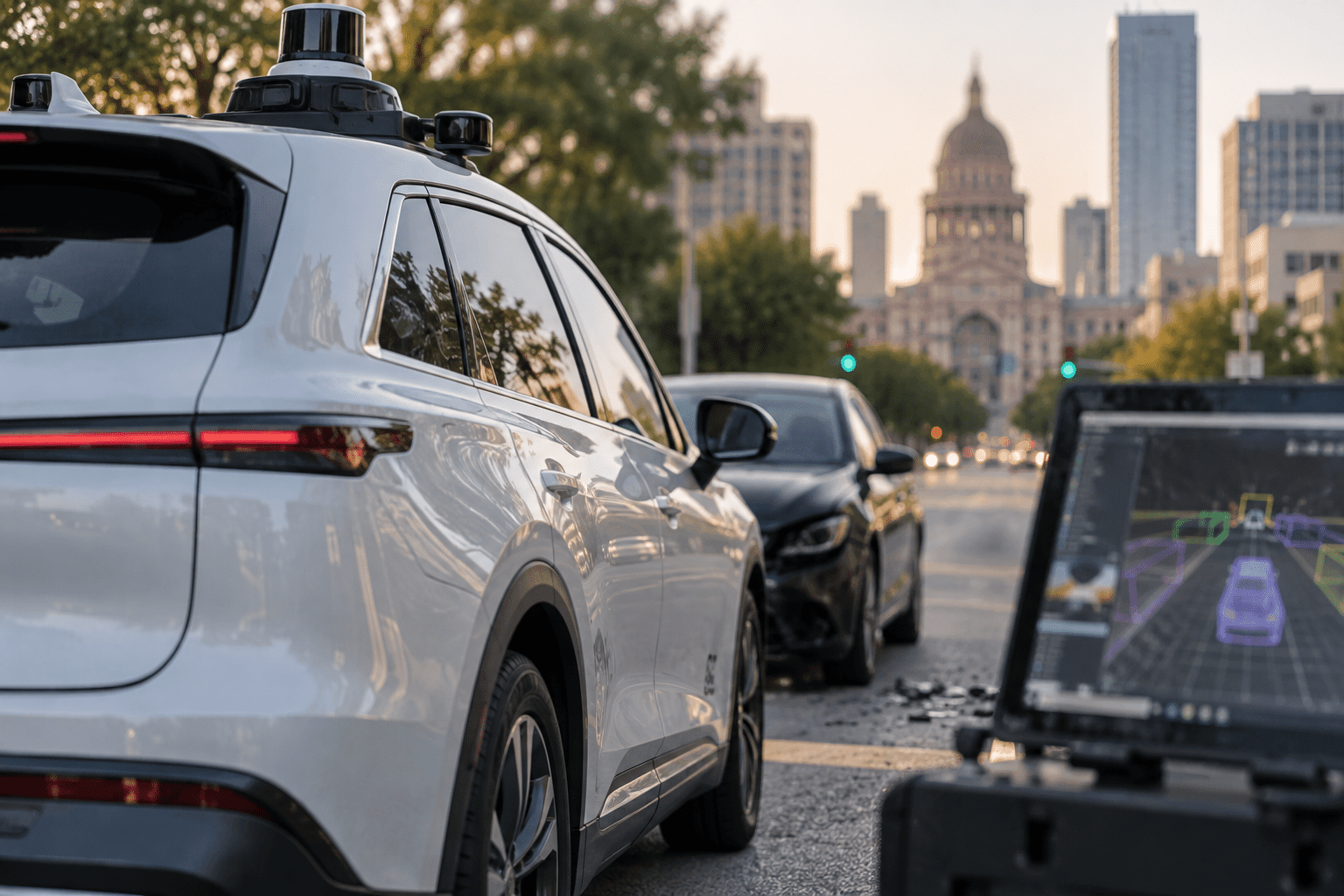
- A vehicle that recorded everything—LiDAR data, 360-degree camera footage, radar input, and internal decision logs—but holds all of that evidence tightly
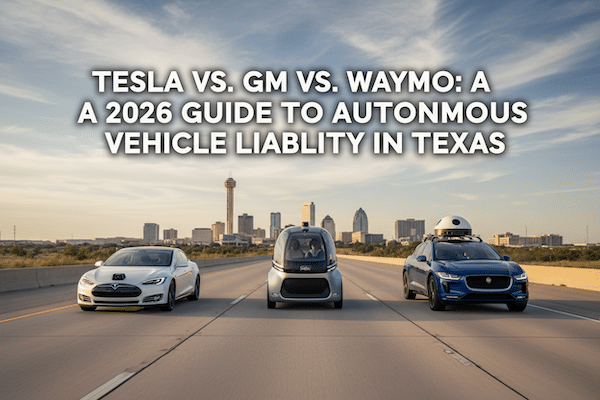
- An insurance structure involving commercial fleet coverage, Uber’s platform policies, and potentially your own uninsured/underinsured motorist coverage
- Liability theories that span negligence, product defects, and fleet oversight failures
That evidence advantage cuts both ways. If the data shows the autonomous system failed, it can be devastating to Waymo’s defense. But Waymo controls that data, and it will not hand it over voluntarily. Getting it requires fast legal action—a formal evidence preservation demand sent before the system overwrites its records.
What to Do After a Waymo Accident in Austin
The steps you take in the hours and days after a Waymo crash have a direct impact on the strength of your case.
- Call 911 and get a police report filed. This is non-negotiable. A police report documents the scene, identifies the vehicles involved, and creates an official record. Make sure the report notes that a Waymo autonomous vehicle was involved.
- Seek medical attention immediately. Even if you feel fine at the scene, get evaluated. Injuries like concussions, soft tissue damage, and internal trauma can take days to surface. A gap in medical treatment gives insurance companies ammunition to argue you weren’t really hurt.
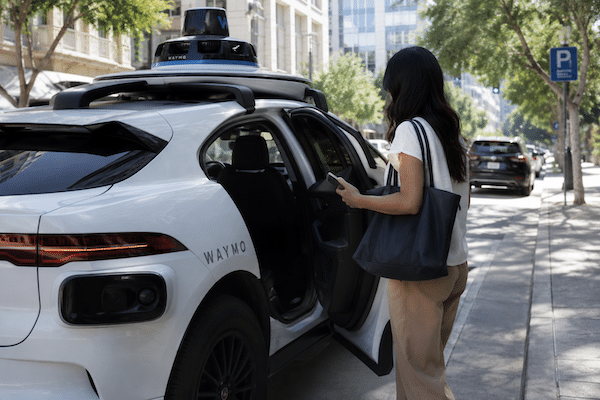
- Preserve your Uber trip record. Because Austin’s Waymo service runs exclusively through the Uber app, your trip history is critical evidence. It documents that you were a passenger, establishes timing, and provides route data. Screenshot it and do not delete the app.
- Document everything at the scene. Photographs of the vehicle, the Waymo car, your injuries, road conditions, and nearby signage. Names and contact information for witnesses. Video if possible.
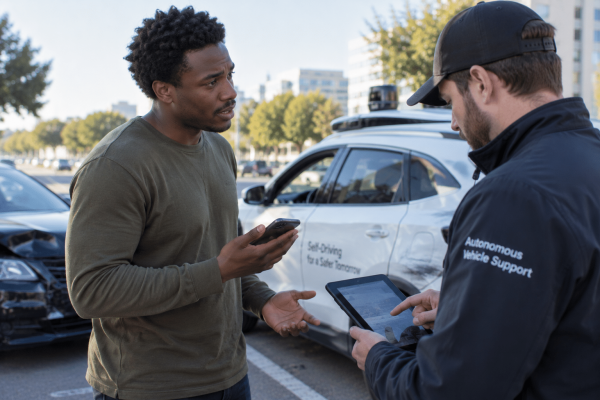
- Don’t talk to Waymo’s representatives or their insurance carriers without an attorney. Anything you say can and will be used to minimize your claim. Their goal is to settle fast and cheap—before you know the full extent of your injuries.
- Contact an Austin Waymo accident attorney as soon as possible. The evidence window in these cases is narrow. Surveillance footage from nearby businesses gets overwritten. System logs have limited retention periods. The sooner we send a preservation demand, the better your case.
Texas Law and Autonomous Vehicles
Texas Transportation Code Chapter 545 addresses how autonomous vehicles operate on Texas roads. When the automated driving system (ADS) is engaged, the code treats the ADS itself as the “operator” for traffic-law compliance purposes. That means if a Waymo runs a stop sign, the analysis focuses on the system’s behavior—not a human driver.
That operator designation matters, but it doesn’t automatically resolve your injury claim. A Texas personal injury lawsuit still requires proving duty, breach, causation, and damages. The legal battleground in a Waymo case shifts from “did the driver look away?” to “did the algorithm fail?”—but the burden of proof is the same.
Texas’s proportionate responsibility system (Texas Civil Practice and Remedies Code § 33.001) also applies. Fault gets allocated among all responsible parties. If Waymo’s system is found 80% responsible and another driver bears 20%, the damages are divided accordingly. As long as you are found 50% or less at fault, you can recover. This makes it critical to have an attorney who can build a strong, evidence-supported liability case before the defense starts shifting blame your way.
The statute of limitations for personal injury claims in Texas is two years from the date of the accident. For wrongful death claims, the same two-year window applies. But the practical deadline for building a strong case is far shorter than two years.
What Compensation Can You Recover?
A successful Waymo accident claim in Texas can cover:
- Medical expenses: Emergency care, hospitalization, surgery, specialist visits, physical therapy, and future treatment costs
- Lost wages: Income you lost while recovering, and reduced earning capacity if your injuries are long-term
- Pain and suffering: The physical pain and emotional toll of what happened
- Property damage: Repair or replacement of your vehicle if you were in another car struck by a Waymo
- Wrongful death damages: For families who have lost someone, compensation for funeral costs, loss of financial support, and loss of companionship
In cases where Waymo’s conduct meets the legal standard for gross negligence—conscious indifference to an extreme risk—punitive damages may also be available. Given Waymo’s documented pattern of ignoring safety concerns raised by federal regulators, Austin’s emergency responders, and the city’s own elected officials, that question deserves serious analysis in every case.
Why Choose Joe Lopez Law for Your Waymo Accident Case?
Joe Lopez has spent over 25 years fighting for Texas accident victims—and in that time, he has taken on drunk drivers, major corporations, 18-wheeler companies, and insurance carriers that tried to shortchange people who deserved better. Waymo is a different kind of opponent, but the approach is the same: investigate hard, build an airtight case, and fight until the client gets what they’re owed.
Joe is licensed by the Texas State Bar, earned his J.D. from St. Mary’s University School of Law in San Antonio, and is a member of the Multi-Million Dollar Advocates Forum, the National Trial Lawyers Top 100, and has been recognized as a Texas Super Lawyer. He handles cases personally—you won’t be handed off to a paralegal or a case manager. You’ll work directly with Joe from the first call through resolution.
Joe also speaks Spanish fluently. If English isn’t your first language, that barrier disappears.
The firm has recovered over $100 million for clients across Central Texas. Those results come from being willing to go to trial when the offer isn’t fair—and insurance companies know it.
Frequently Asked Questions About Waymo Accidents in Austin
Who is liable if a Waymo autonomous vehicle causes an accident in Austin?
Liability in a Waymo crash depends on what caused it. If the autonomous system failed—an algorithm error, sensor malfunction, or software defect—Waymo as the fleet operator and potentially its technology vendors may be liable. If another human driver caused the crash, that driver's insurance is the primary target. Many Waymo crashes involve shared fault across multiple parties, which is why a thorough investigation matters from day one.
Can I sue Waymo if I was a passenger in one of their vehicles when it crashed?
Yes. As a passenger, you were owed a duty of care. If the autonomous system's failure caused your injuries, you have grounds to pursue a claim against Waymo, the vehicle manufacturer, or other responsible parties. Preserve your Uber trip record immediately—since Austin's Waymo service operates through the Uber app, that record establishes your status as a passenger and documents key details about your trip.
Learn more about what to do if you are a passenger in a Waymo accident.
What if a Waymo hit my car while I was driving?
You can file a claim against Waymo as the operator of the vehicle that struck you. Texas law treats the automated driving system as the operator for traffic-law purposes, and if that system's failure caused the collision, Waymo bears responsibility. An attorney can send an immediate evidence preservation demand to secure the vehicle's sensor data, camera footage, and internal logs before they're overwritten.
How long do I have to file a Waymo accident claim in Texas?
Texas law gives you two years from the date of the accident to file a personal injury lawsuit. Wrongful death claims follow the same deadline. Don't let that window create a false sense of security—critical digital evidence from Waymo's onboard systems can disappear within days or weeks without a formal preservation demand. Contact an attorney as soon as possible after the crash.
How is a Waymo accident different from a regular Uber or Lyft accident?
In a rideshare accident, liability typically falls on the human driver, with the platform's insurance providing coverage depending on the driver's app status. Waymo has no human driver. The company is the driver. That means your claim goes directly against Waymo as the corporate operator, with no independent contractor defense shielding them. It also means Waymo's own commercial liability coverage is primary, and the evidence available—including LiDAR, radar, and internal decision logs—is far more detailed than in a typical crash.
Learn more about how a Waymo accident differs from other rideshare accidents.
What evidence is most important in a Waymo accident case?
Waymo vehicles record vast amounts of data: 360-degree camera footage, LiDAR scans, radar input, GPS position, and internal decision-making logs. That data is owned and controlled by Waymo. Your attorney needs to send a formal evidence preservation demand immediately to prevent it from being overwritten. Beyond the vehicle data, preserve your Uber trip record, photograph the scene and your injuries, get a police report, and collect witness contact information.
Does Texas law cover autonomous vehicle accidents?
Yes. Texas Transportation Code Chapter 545 establishes the framework for autonomous vehicles on Texas roads and treats the automated driving system as the "operator" for traffic-law purposes. Texas personal injury law—including negligence standards and the Products Liability Act—applies fully to crashes involving autonomous vehicles. The state's proportionate responsibility rules also apply, meaning fault can be divided among multiple parties.
What if Waymo argues that another driver—not their vehicle—caused the crash?
That argument is common in complex multi-vehicle crashes, and it's exactly why preserving Waymo's onboard data matters so much. The vehicle's sensor logs and camera footage can reconstruct what it saw, what decisions the system made, and how it responded in the seconds before impact. That level of detail either supports Waymo's position or demolishes it. An experienced attorney will fight to access that data and have it analyzed by qualified experts.
Can I recover damages if I was a pedestrian or cyclist hit by a Waymo?
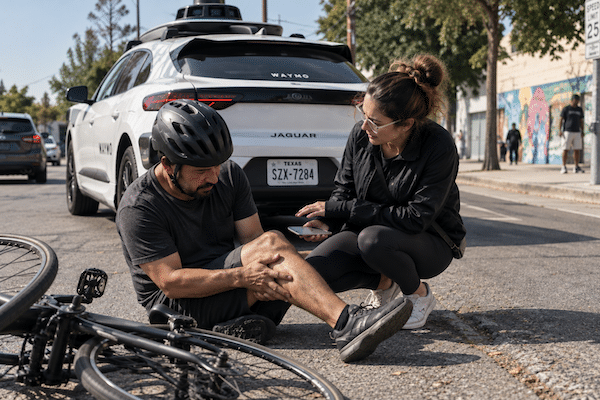
Absolutely. Pedestrians, cyclists, and anyone else injured by a Waymo vehicle on Austin streets can pursue a claim. The duty of care Waymo owes extends beyond passengers to everyone sharing the road. If the autonomous system failed to detect you, failed to yield, or made a decision that a reasonable driver would not have made, Waymo may be liable for your medical bills, lost income, pain and suffering, and other damages.
Learn how Texas autonomous vehicle laws protect you and what damages you can recover.
How much does it cost to hire Joe Lopez Law for a Waymo accident case?
Nothing upfront. Joe Lopez Law works on a contingency fee basis—you pay no attorney's fees and no case expenses unless we win your case. Given the complexity of Waymo accident claims and the corporate resources on the other side, having experienced legal representation from the start is essential. Call us for a free consultation and let us evaluate your case at no cost.
Talk to an Austin Waymo Accident Attorney Today
Waymo accident cases move fast because evidence disappears fast. If you were hurt as a passenger in a Waymo, struck by a Waymo vehicle, or involved in a crash that Waymo’s autonomous system contributed to, contact Joe Lopez Law now. The consultation is free. We advance all case expenses. You pay nothing unless we win.
Joe Lopez Law — (512) 580-9962 1502 West Ave., Austin, TX 78701