



If you or a loved one was recently involved in a collision with an Amazon delivery vehicle on I-35, MoPac, or a residential street in Travis County, you are likely dealing with mounting medical bills, missed work, and immense stress. As you try to figure out who is responsible for paying your damages, you may quickly notice that the delivery vehicle involved was not driven by an actual corporate employee of Amazon.
Instead, Amazon relies on a complex web of independent delivery structures to move millions of packages across Central Texas every day. The two primary types of drivers you will encounter on the road are Delivery Service Partner (DSP) drivers and Amazon Flex drivers.
While both deliver packages under the Amazon logo, the differences between a DSP driver and a Flex driver are vast—and these distinctions directly impact how insurance claims, corporate liability, and personal injury lawsuits are handled under Texas law.
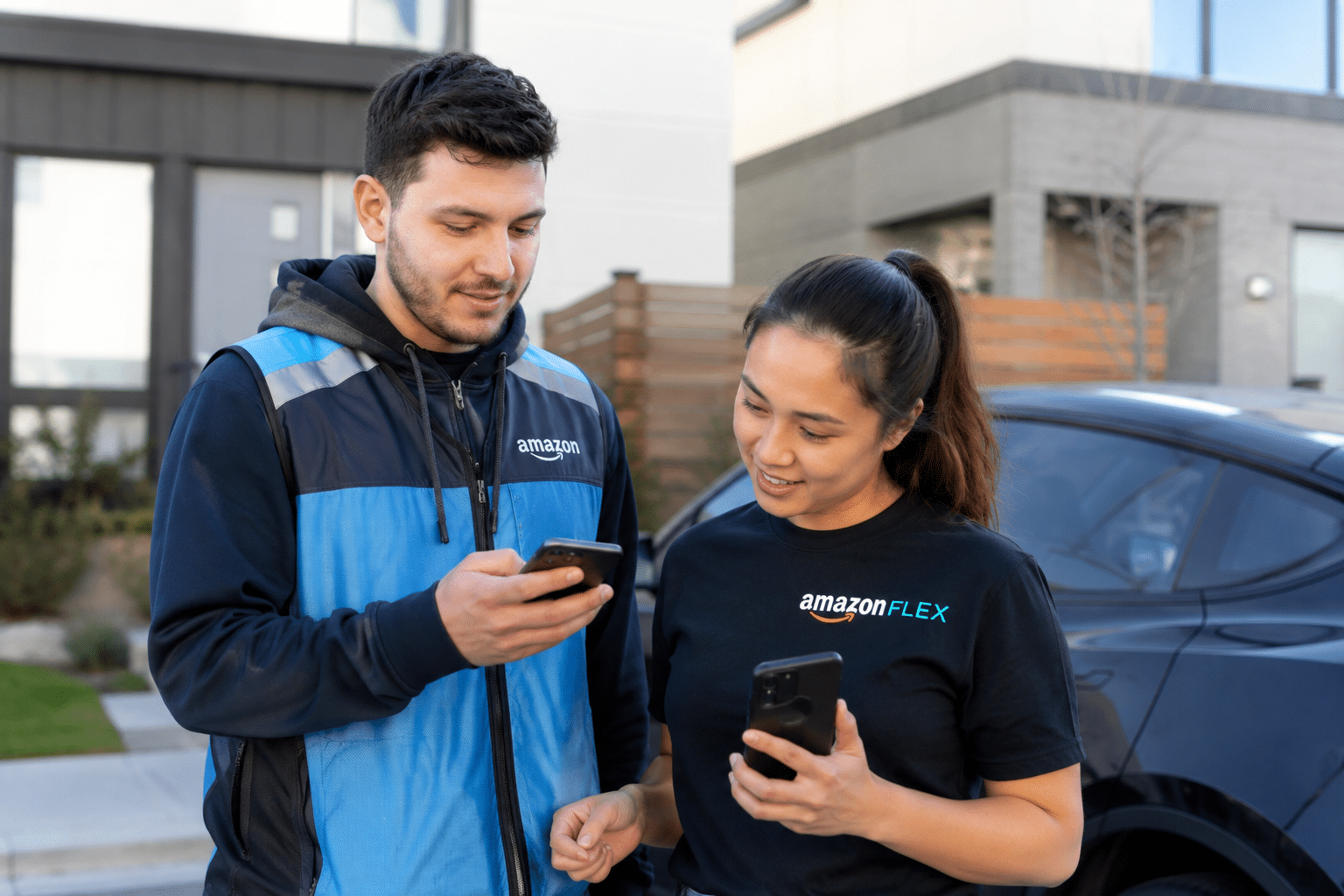
Amazon DSP Drivers vs. Amazon Flex Drivers: The Core Differences
To understand who is liable for your injuries after a crash, you first need to understand how Amazon structures its delivery workforce.
What Is an Amazon DSP Driver?
An Amazon Delivery Service Partner (DSP) is an independent small business contracted by Amazon to handle bulk package deliveries.
- The Vehicle: DSP drivers almost always operate large, blue Amazon-branded Sprinter vans or distinctive custom electric delivery vehicles.
- Employment Status: These drivers are direct W-2 employees of the third-party DSP business—not W-2 employees of Amazon itself.
- Work Schedule: DSP drivers work structured full-time or part-time shifts, follow set routes assigned via Amazon’s routing algorithms, and wear official Amazon uniforms.
What Is an Amazon Flex Driver?
Amazon Flex is Amazon’s gig-economy delivery service, similar to UberEats or DoorDash.
- The Vehicle: Flex drivers use their own personal vehicles—ranging from sedans and SUVs to pickup trucks—to deliver packages, Amazon Fresh groceries, or Prime Now orders.
- Employment Status: Flex drivers are 1099 independent contractors who sign up for delivery shifts (called “blocks”) through a mobile application.
- Work Schedule: They pick their own hours, do not wear uniforms, and rarely carry outward Amazon branding on their vehicles beyond an occasional magnetic sign or windshield decal.
How Driver Classification Affects Insurance Coverage in Texas
The key legal distinction between DSP and Flex drivers comes down to insurance coverage and legal liability. Amazon deliberately designed these models to shield itself from direct responsibility when crashes occur on Texas roads.
| Feature | Amazon DSP Driver | Amazon Flex Driver |
|---|---|---|
| Vehicle Type | Branded Van / Commercial Vehicle | Personal Sedan / SUV / Truck |
| Worker Status | Employee of 3rd-Party DSP (W-2) | Independent Contractor (1099) |
| Primary Insurance | Commercial Auto Policy (DSP) | Driver’s Personal Auto Insurance |
| Supplemental Ins. | Corporate / Umbrella Coverage | Amazon Commercial Policy (In-block) |
Insurance Coverage for Amazon DSP Crashes
Because DSPs operate commercial fleets, Texas law requires these independent businesses to maintain significant commercial auto liability policies (often $1 million or more in primary coverage).
When a DSP driver causes an accident due to distracted driving, speeding to meet aggressive quotas, or improper reversing, the initial claim is filed against the DSP company’s commercial insurance policy. However, these insurance carriers frequently attempt to blame the victim, minimize injury severity, or claim the driver was acting outside the scope of their employment at the exact moment of the crash.
Insurance Coverage for Amazon Flex Crashes
Handling a crash caused by an Amazon Flex driver is often far more complex.
- Personal Auto Policies: When a Flex driver gets into an accident, their personal auto insurance company will often outright deny the claim if they discover the driver was using their vehicle for commercial delivery without a specific commercial endorsement.
- Amazon’s Commercial Coverage: Amazon provides contingent commercial auto coverage for Flex drivers in Texas, which generally includes up to $1 million in liability coverage—but only while the driver is actively on an assigned delivery block.
If the Flex driver was logged into the app but had not yet accepted a block, or had just completed their last delivery, Amazon’s insurance adjusters will vigorously argue that the coverage does not apply, leaving injured victims trapped in a battle between stubborn insurance carriers. You can review standard Texas auto insurance liability guidelines through the Texas Department of Insurance to see how commercial and personal policy mandates differ.
The Legal Challenge: Holding Amazon Directly Accountable
Amazon utilizes these corporate buffers specifically so that when a delivery vehicle strikes a pedestrian, bicyclist, or another vehicle in Austin, corporate headquarters in Seattle can point the finger at the third-party DSP or the individual gig worker.
Key Takeaway: Amazon enforces strict delivery quotas, monitors driver behavior through onboard telemetry devices, and dictates specific delivery routes. Despite claiming these drivers are independent, Amazon exercises immense control over their day-to-day operations—control that can be pivotal in establishing liability in a personal injury lawsuit.
To hold Amazon or a large delivery partner accountable, an attorney must gather evidence quickly before it disappears. Critical evidence in an Amazon delivery crash includes:
- In-vehicle camera footage (such as Netradyne smart camera logs)
- Handheld device data showing driver activity, speed, and app interaction
- GPS tracking and telematics detailing route history and braking patterns
- DSP driver training logs and maintenance records for the commercial fleet
Steps to Take After an Amazon Delivery Collision in Central Texas
If you are involved in a collision with an Amazon delivery vehicle anywhere in Austin, Travis County, or the surrounding Central Texas area, taking prompt action protects both your health and your legal rights:
- Call 911 and Request Law Enforcement: Ensure the Austin Police Department, Travis County Sheriff, or Texas DPS responds to draft an official crash report.
- Identify the Driver and the Business Name: Look at the driver’s license, insurance card, and vehicle. Ask specifically if they work for an independent DSP company or if they are delivering through Amazon Flex. Note any business names printed on the side of the van.
- Document the Scene Thoroughly: Take detailed photos and videos of all damaged vehicles, package contents visible in the car or van, street signs, weather conditions, and visible injuries.
- Seek Immediate Medical Attention: Traumatic brain injuries, spinal damage, and soft tissue tears are not always immediately obvious due to adrenaline. Prompt evaluation by an emergency room physician or specialist creates an indisputable medical record linking your injuries directly to the crash.
- Do Not Give a Recorded Statement to Insurance Adjusters: Whether an adjuster calls from Amazon’s third-party administrator (such as ARC Claims Management) or the DSP’s private carrier, do not provide recorded statements or sign medical releases without legal representation.
Tenacious Legal Representation for Austin Delivery Accidents
Navigating the web of corporate shields, multi-layered insurance policies, and aggressive defense tactics behind Amazon delivery crashes requires an attorney who knows how to fight major corporations and win.
Since 2003, Joe Lopez has dedicated his career exclusively to advocating for injured individuals and families across Austin and Central Texas. At Joe Lopez Law, we never represent insurance companies or corporate defendants—our loyalty belongs entirely to our clients.
When a corporate delivery contractor or online retailer attempts to shirk responsibility, we take aggressive action. In fact, our firm previously secured a $1.25 million settlement against a major online retailer after pursuing the claim beyond the delivery contractor’s exhausted insurance policy limits. We treat our clients as partners, providing direct access to your trial attorney from day one—not passing your file down to junior associates or case managers.
If you or a loved one was hurt in a crash with an Amazon DSP or Flex driver, put an experienced Austin Amazon Delivery Accident Lawyer in your corner to fight for the full financial recovery you deserve.