



Yes, in some circumstances. Texas generally does not hold private hosts liable simply for serving an adult guest who later drives drunk. An employer may face liability if a supervisor takes control of an employee who is too intoxicated to drive safely and handles the situation negligently. A bar, restaurant, or other business that qualifies as an alcohol provider may face a separate claim under Texas dram shop law.
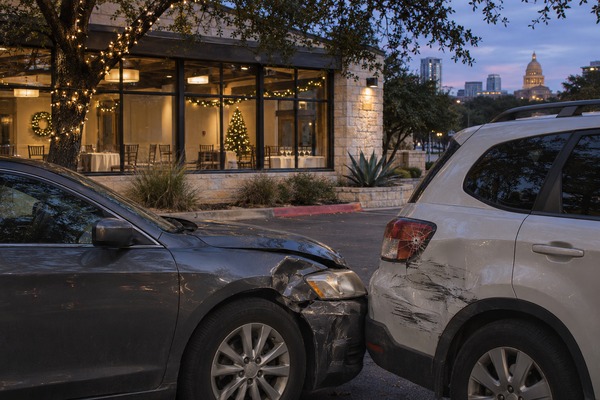
After an Austin holiday party crash, the key questions are who served the alcohol, what happened in the final minutes before the driver left, and what evidence can help establish who may be responsible.
Can a Party Host Be Liable for Serving an Adult Guest?
In Graff v. Beard (1993), the Texas Supreme Court declined to impose a duty on a social host who served an adult guest and knew the guest was intoxicated and would be driving. A Texas appeals court applied the same principle to an employer that served beer at a company cook-off.
Texas has a separate rule for guests younger than 18. An adult who is 21 or older may be liable if they knowingly provide alcohol that contributes to the minor’s intoxication, or knowingly allow it to be provided on property they own or lease, and the intoxication is a proximate cause of the harm. The statute excludes the minor’s parent, guardian, spouse, or an adult with court-ordered custody.
When an Employer Takes Control of a Drunk Employee
In Otis Engineering Corp. v. Clark, a supervisor sent an intoxicated employee home during his shift and escorted him to the company parking lot. The employee drove away and caused a crash that killed two people. The Texas Supreme Court held that when an employer exercises control over an incapacitated employee, it must act reasonably to prevent an unreasonable risk of harm to others. The court allowed the case to proceed so a jury could decide whether the employer acted reasonably.
The January 2026 decision in Herrera v. CWJ Forklift Service LLC involved an employee who left a company party after being warned against driving. The Eleventh Court of Appeals upheld the dismissal because the warning, as alleged, did not amount to a negligent exercise of control.
To see whether the employer may share responsibility, reconstruct how the employee left. Did a supervisor direct them to drive home? Who had the keys? Was a ride already arranged, and did a manager tell the employee to leave in their own car anyway? Witness accounts, texts, and parking-lot footage can help answer those questions.
When the Venue or Caterer May Share Responsibility
Start with the event contract to identify the business that supplied or served the alcohol. The company that booked the room, the venue, and the bartending service may be separate businesses. Under Texas dram shop law, a qualifying provider may be liable if, at the time of service, it was apparent that the person was so obviously intoxicated that they posed a clear danger to themselves and others, and that intoxication was a proximate cause of the harm.
At a prepaid open bar, there may be no individual tab. A bartender or coworker who saw the driver stumble, slur their words, or struggle to stand before being served another drink may help establish what was visible at the time. Bar-area footage can help put those observations in order.
Our guide to suing a bar after a drunk driver hits you in Austin explains what a dram shop claim requires and how the safe harbor defense can affect it.
What Evidence Matters After an Austin Holiday Party Crash?
Ask about preserving venue and parking-lot footage promptly. Retention periods vary, and footage can be overwritten. Other records can help establish who served the alcohol, what staff could see, and how the driver left.
- The invitation and planning emails. These can show who organized the event, whether attendance was expected, and who paid for the alcohol.
- The venue or caterer contract. It can identify who agreed to supply the alcohol, who staffed the bar, and what the bar package included.
- Bar tabs and point-of-sale records. Where orders were tracked individually, timestamps can help establish when drinks were served.
- Texts and messages from managers. Messages can show who gave instructions, what those instructions were, and when they were given.
- Surveillance footage. Bar-area footage may show visible signs of intoxication before service. Parking-lot footage may show who accompanied the driver and how the driver left.
- Rideshare vouchers or a designated-driver plan. Records and witness accounts may show whether a ride was arranged and what happened to that plan.
- The crash report and DWI investigation. Investigators may document where the driver had been drinking or identify witnesses who were at the event. Our guide on how to read an Austin police crash report explains what to look for.
What If the Drunk Driver’s Insurance Isn’t Enough?
Texas generally requires drivers to carry at least $30,000 in bodily injury liability coverage per person. Serious injuries from a drunk driving crash can exceed that limit. Depending on who is responsible and what the policies cover, possible sources of compensation may include:
- The employer’s commercial liability coverage if the employer is liable and its policy covers the claim.
- The venue’s or caterer’s liquor liability coverage if the provider is liable under dram shop law and has applicable coverage.
- Your own uninsured or underinsured motorist coverage if you carry it and the at-fault driver’s insurance is unavailable or insufficient.
Under Texas proportionate responsibility law, a jury can assign percentages of fault among the parties found responsible. If you are partly responsible, your recovery is reduced by your percentage of fault. If you are more than 50% responsible, you cannot recover damages under that rule.
In one drunk driving hit-and-run case handled by Joe Lopez Law, the at-fault driver’s insurer paid $50,000 and the client’s own underinsured motorist insurer paid $1 million. The total settlement was $1.05 million, and the client received $500,612.84 net. Past results do not guarantee a similar outcome in your case.
Talk to Joe Lopez Law About an Austin Holiday Party Crash
Most Texas personal injury lawsuits must be filed within two years. Evidence from the event can disappear much sooner, especially if the venue overwrites its footage or witnesses become harder to reach.
If a drunk driver hit you after a company party or holiday event, call Joe Lopez Law at (512) 580-9962 for a free case review. You pay no attorney fees unless the firm recovers compensation for you, and the firm pays case expenses upfront. Se habla español.
This article is for informational purposes only and does not constitute legal advice. Reading it does not create an attorney-client relationship. For advice about your situation, consult a licensed Texas attorney.