




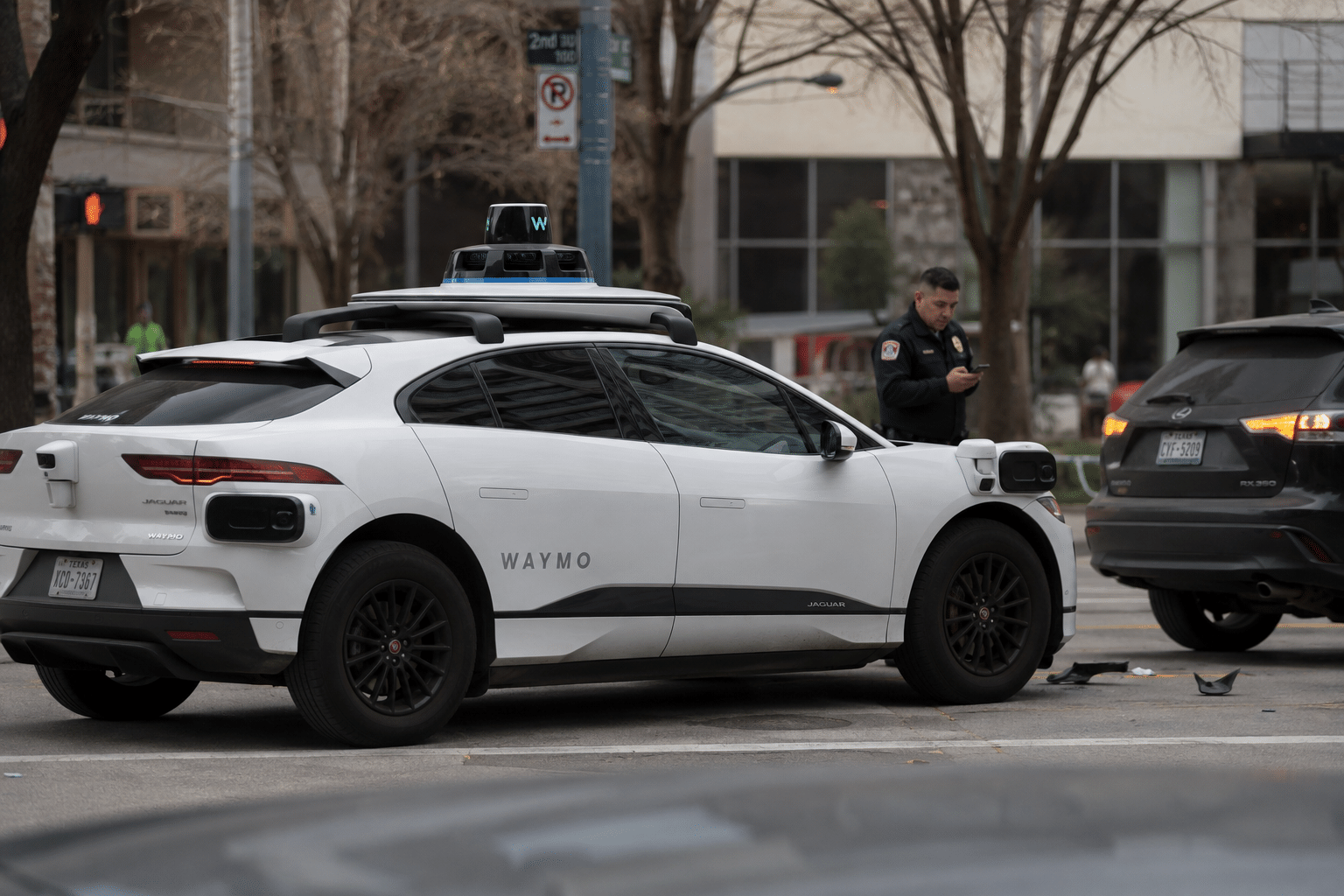
Getting into a rideshare collision on I-35, along the MoPac Expressway, or while navigating downtown Austin is always overwhelming. The physical pain, sudden medical bills, missed work hours, and immediate pushback from insurance adjusters can quickly leave you feeling exhausted. However, if you were injured as a passenger inside an autonomous driverless vehicle like a Waymo, your legal situation is fundamentally different from a crash involving a human Uber or Lyft driver.
In a standard rideshare accident, liability usually centers around human error—such as a driver speeding down Congress Avenue, running a red light in East Austin, or distracted by their phone while looking for a passenger. In contrast, an autonomous vehicle (AV) crash transforms the entire legal battlefield. You are no longer negotiating with an individual driver’s personal auto policy or standard commercial rideshare coverage; you are confronting multi-billion-dollar technology corporations, complex product liability doctrines, and proprietary digital sensor logs. Understanding these vital differences is essential to protecting your rights and securing full financial recovery.
1. The Legal Definition of the “Driver” Under Texas Law
When you step into a standard Uber or Lyft vehicle in Austin, a human driver is behind the wheel. If that driver makes an error in judgment and causes a wreck, Texas negligence laws focus directly on their individual actions, driving record, and immediate conduct prior to impact.
With Waymo, there is no human driver sitting in the driver’s seat. Under Texas Transportation Code § 545.454, state law explicitly addresses how automated driving systems (ADS) operate on Texas roadways. When an automated system is engaged, the technology itself is legally classified as the driver of the vehicle.
Texas Transportation Code § 545.454(a): “When an automated driving system installed on a motor vehicle is engaged, the automated driving system is the operator of the vehicle, including for purposes of assessing compliance with applicable traffic or motor vehicle laws.”
Because the automated system is recognized as the operator, passengers inside a Waymo cannot be held responsible or cited for traffic infractions or operational mistakes that occur while the vehicle is in autonomous mode. Legal responsibility shifts directly to the corporate entity that owns and operates the automated system.
2. Shifting From Human Negligence to Corporate Product Liability
In a traditional Uber or Lyft crash, insurance claims typically flow through a multi-tiered commercial insurance framework. In Texas, rideshare platforms maintain commercial liability coverage that applies while a driver is en route or carrying a passenger. Your claim primarily rests on establishing that the human driver breached their duty of care through careless driving.
When a passenger is hurt inside a driverless Waymo, the legal legal theories change dramatically:
- Strict Product Liability: If the collision occurred due to a software glitch, sensor miscalibration, algorithmic latency, or failure of the vehicle’s perception system, your claim falls under the Texas Products Liability Act (Chapter 82 of the Texas Civil Practice and Remedies Code). Rather than proving simple human negligence, your legal team must establish design defects, manufacturing flaws, or inadequate warnings and system safeguards.
- Corporate Self-Insurance & High-Stakes Defense: Waymo is backed by Alphabet Inc., one of the world’s largest technology conglomerates. Major tech corporations often utilize massive commercial liability policies or act as heavily funded self-insured entities. When a passenger suffers severe trauma, they are not facing a local insurance adjuster—they are up against corporate legal defense teams whose primary goal is protecting corporate algorithms and minimizing payouts.
- Third-Party Driver Negligence: If a human-driven vehicle crashes into your Waymo on the Texas State Highway 130 toll road, Texas’s proportionate responsibility statute (Texas Civil Practice and Remedies Code § 33.001) comes into play. Fault may be divided between the third-party negligent driver and the autonomous technology company based on how each contributed to the event.
3. The Battle for Digital Telemetry, LiDAR, and Camera Evidence
Proving fault in a standard automobile accident often comes down to driver admissions, eyewitness testimony, traffic camera footage, and the official police crash report. In an autonomous vehicle crash, however, the primary evidence consists of massive amounts of real-time digital telemetry.
Waymo vehicles function as mobile data collection hubs. Every second on Austin roads, onboard computers record input from LiDAR (Light Detection and Ranging), radar arrays, high-definition exterior cameras, cabin sensors, and onboard event data recorders (“black boxes”).
| Key Evidence Factor | Standard Uber / Lyft Crash | Waymo Driverless Crash |
|---|---|---|
| Primary Source of Proof | Driver statements, eyewitnesses, cell phone logs, police reports | LiDAR/radar logs, vehicle telemetry, internal/external video feeds |
| Core Legal Question | Was the human driver distracted, speeding, or negligent? | Did the algorithm fail to recognize hazards or make an unreasonable maneuver? |
| Evidence Control | Shared across individual drivers, mobile apps, and third parties | Strictly controlled by a single corporate tech entity |
Why Immediate Evidence Preservation Matters
Because Waymo maintains exclusive control over all onboard camera footage, sensor telemetry, and remote operator dispatch communications, critical electronic evidence can be routine-overwritten or lost if immediate action is not taken. A formal spoliation letter and litigation-hold demand must be dispatched immediately following a crash to compel the corporation to preserve native data, raw video feeds, and system diagnostic logs before standard overwrite protocols erase them.
For more information regarding state traffic laws, autonomous vehicle regulations, and official crash reporting guidelines, you can visit the Texas Department of Transportation.
4. Complex Injuries and Unfamiliar Crash Dynamics
Passengers in autonomous vehicle crashes frequently face sudden, unexpected impacts. Because autonomous vehicles may execute sudden defensive braking maneuvers or abrupt evasive swerves when sensors detect real or perceived obstacles, passengers are often caught completely off guard without time to brace for impact.
This rapid transfer of force can lead to significant physical trauma, including severe soft-tissue injuries, cervical strain, herniated discs, internal organ damage, and traumatic brain injuries (TBIs). Obtaining immediate and specialized medical care is vital for both your physical health and your legal claim. Proper diagnostic evaluation by orthopedic and neurology specialists ensures that micro-tears, concussions, and spinal disc damage are documented immediately after the wreck.
Steps to Take After Being Injured in an Austin Waymo Crash
- Seek Immediate Emergency Medical Attention: Visit an Austin emergency room or trauma center immediately. Prompt medical records establish an official link between the crash and your injuries.
- Ensure Police Document the AV Status: Make sure the responding Austin Police Department officer explicitly notes in the official Texas Peace Officer’s Crash Report that the vehicle was operating in autonomous mode without a human driver.
- Document Your Ride Data: Take screenshots of your ride confirmation, vehicle identifier, route details, and digital receipts inside the Waymo application.
- Do Not Give Recorded Statements: Corporate risk managers and insurance representatives may reach out quickly offering early settlement agreements. Never sign medical releases or give recorded statements without first consulting a qualified trial lawyer.
Why You Need a Dedicated Austin Trial Attorney
Navigating an autonomous vehicle injury claim requires far more than basic insurance negotiation—it demands an attorney with the resources, legal skill, and trial experience to confront major technology companies and their insurance carriers. You need a dedicated advocate who knows how to subpoena complex telemetry records, work alongside expert crash reconstructionists, and build a trial-ready case from day one.
At Joe Lopez Law, Joe Lopez has been fighting tirelessly for injured Texans for over two decades. Operating out of the historic William T. Caswell house in downtown Austin, our firm has recovered over $100 million for clients across Texas since 2003. We intentionally limit our caseload so that every client receives direct attorney access, personal attention, and aggressive representation—never getting passed off to a case manager or junior associate.
Joe Lopez has spent his career taking on massive opponents—from winning an appellate victory against Exxon Mobil Corporation early in his career to uncovering hidden dash cam footage and catching corporate representatives lying during depositions in 18-wheeler trucking cases. Recognized by the National Trial Lawyers Top 100, a lifetime member of the Multi-Million Dollar Advocates, and a former Texas Super Lawyers Rising Star, Joe Lopez represents plaintiffs exclusively. Our firm has never represented an insurance company, and our commitment to serving Austin’s English and Spanish-speaking communities is unwavering—because when our clients need us most, ¡El Joe Me Ayudó!
We handle all personal injury cases on a contingency fee basis with zero upfront costs—you pay nothing unless we secure a recovery for you. If you or a loved one was injured in a driverless vehicle collision, speak with an experienced Austin Waymo Accident Lawyer today at (512) 580-9962 for a free, confidential consultation.